Rethinking IT Support for the Modern SMB
For growing small and mid-sized businesses (SMBs), IT support is often evaluated solely as a cost center or a high-volume fire department. However, when end users face recurring friction, productivity stalls. A modern service desk must evolve beyond mere ticket resolution to deliver seamless end-user experiences across hybrid environments.
1. Structuring Tiered Support for Rapid Resolution
A well-structured help desk routes issues based on complexity and impact, ensuring technical resources are deployed efficiently:
- Tier 1 (Frontline Resolution): Handles standard user requests, routine password resets, basic MFA re-configurations, and basic hardware troubleshooting.
- Tier 2 (Advanced Diagnostics): Addresses complex software conflicts, network connectivity issues, and localized infrastructure disruptions.
- Tier 3 (Specialized Engineering): Resolves deep architectural bottlenecks, cloud service disruptions, and advanced security configurations.
By implementing strict triage rules, Tier 1 engineers resolve high-frequency requests immediately, keeping Tier 2 and Tier 3 specialists focused on strategic infrastructure stability.
2. Instilling Ticket Hygiene and Knowledge Base Discipline
Operational excellence relies heavily on how data flows through the ticketing system. High-performing help desks practice disciplined ticket hygiene:
- Categorization and Tagging: Every incident is logged with precise root-cause tags, preventing vague "general issue" entries.
- Living Knowledge Base (KB): Tier 1 and Tier 2 specialists actively document new resolutions. When an engineer solves an unfamiliar issue, a Knowledge Base article is updated or drafted within 24 hours.
- Self-Service Enablement: Empowering end users with curated KB articles reduces recurring low-complexity tickets and accelerates resolution times.
3. Removing Hybrid Work Friction: VPN, MFA, and Device Provisioning
Hybrid and remote operational models introduce specific friction points that require proactive management:
- Multi-Factor Authentication (MFA) Resets: Identity verification friction can lock out remote staff for hours. Automated self-service recovery workflows paired with strict verification protocols preserve both security and uptime.
- VPN & Network Stability: Intermittent connectivity often stems from local ISP throttles or misconfigured split-tunneling. Standardizing client-side VPN profiles and endpoint health checks minimizes connectivity tickets.
- Zero-Touch Device Provisioning: Ship-to-user device logistics frequently suffer from long setup delays. Leveraging automated deployment tools like Microsoft Autopilot or Apple Business Manager ensures new hires receive pre-configured, secure devices on day one.
4. Measuring Support Quality Beyond Ticket Volume
Measuring help desk performance purely by closed ticket count creates incentives for speed over resolution quality. Business leaders must focus on metrics that truly reflect user productivity and operational health:
- First Contact Resolution (FCR): The percentage of incoming tickets resolved during the initial engagement.
- Mean Time to Resolution (MTTR): Tracking resolution speed across specific categories rather than a blanket average.
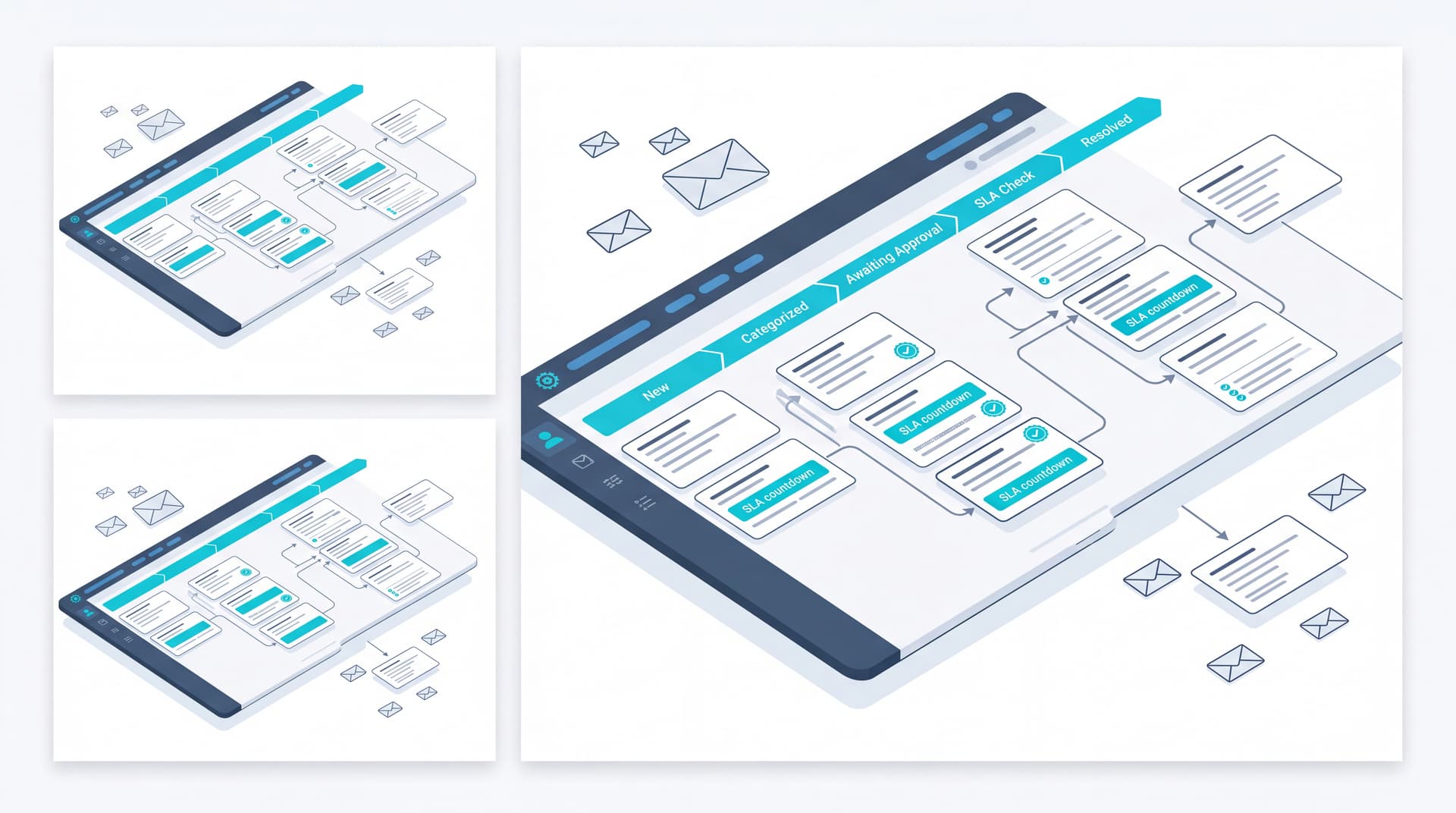
- First Response SLA Adherence: Ensuring users receive prompt acknowledgement, reducing anxiety and follow-up overhead.
- Customer Satisfaction (CSAT) & Net Sentiment: Capturing direct user feedback post-ticket to assess empathy, communication, and overall experience.
Building a Scalable Support Framework
Optimizing help desk operations isn't just about closing tickets faster—it is about removing daily friction so your workforce can focus on driving business value. When tiered escalation, knowledge management, and hybrid friction removal align, IT transforms into a driver of organizational agility.
Want to elevate your end-user experience? See how Bitscaled structures help desk tiers, SLAs, and executive reporting.